

Fire-Rated Doors: What Every Building Manager Should Know
Fire-rated doors are an essential component of any building’s life safety system. These doors are engineered to resist the passage of fire, smoke, and heat for a specific period, allowing occupants time to evacuate and emergency responders time to act. In commercial, residential, and industrial facilities, fire-rated doors help compartmentalize a structure,
preventing flames from spreading rapidly from one area to another. They serve as both physical and passive barriers in fire protection, providing critical minutes that often make the difference between a contained fire and
a catastrophic event.
The design and composition of fire-rated doors are dictated by strict regulatory standards. Typically constructed with core materials like gypsum, steel, or composite timber, they are tested and rated based on their ability to withstand exposure to high temperatures for durations ranging from 20 minutes to 3 hours. Their performance must be validated by independent laboratories, with certifications listed on a permanent label attached to the door or frame. These certifications ensure compliance with standards established by organizations such as Underwriters Laboratories (UL) and the National Fire Protection Association (NFPA).
Building managers are responsible for ensuring that all installed fire-rated doors meet these regulatory requirements and are appropriate for the building’s occupancy type and use. A misunderstanding of these requirements can lead to costly code violations, insurance penalties, and safety risks. Knowing what makes a door “fire-rated” and how it functions within a larger fire protection plan is the foundation of responsible building management.
Key Regulations and Compliance Standards
The regulatory landscape surrounding fire-rated doors is comprehensive and multi-tiered. Codes such as the International Building Code (IBC) and NFPA 80 provide clear guidance on how doors must be installed, labeled, and maintained. These codes are adopted and enforced by local jurisdictions, ensuring a consistent approach to fire safety across commercial and public buildings. Building managers must familiarize themselves with these standards to ensure compliance during inspections and renovations.
NFPA 80, in particular, outlines requirements for the installation and maintenance of fire doors and other opening protections. It dictates everything from the type of hardware that must be used to the frequency of inspections and testing. Annual fire door inspections are mandated under these codes, and any deficiencies must be corrected immediately. Proper documentation of compliance is also crucial during audits or safety reviews by insurance providers and fire marshals.
Noncompliance is not merely a bureaucratic concern but a matter of liability and safety. In the aftermath of a fire, investigators often scrutinize door assemblies to determine whether failures in installation or maintenance contributed to the spread of the blaze. A single missing label, improperly installed closer, or unapproved modification can invalidate a door’s rating and compromise the integrity of a fire barrier. For building managers, compliance must be seen as a proactive and ongoing commitment rather than a one-time project.
Materials and Construction of Fire-Rated Doors
The materials used in fire-rated doors vary depending on the intended application and desired aesthetic. Steel doors, for example, are commonly found in industrial and commercial settings due to their strength and durability. They offer high resistance to both heat and impact, making them suitable for areas where security and fire protection are both priorities. In contrast, wood fire doors, typically constructed with a mineral or composite core, are preferred in settings where visual appeal and integration with
interior design are important.
Each material type brings unique characteristics that influence performance during a fire event. Steel conducts heat but maintains its structure for extended periods, while wood and composite doors are designed to insulate and resist flame penetration. Glazed fire-rated doors, which incorporate fire-resistant glass, are increasingly popular in modern architecture for allowing natural light without sacrificing safety. These designs balance functionality with aesthetics, supporting open-concept
layouts while maintaining compliance.
The selection of door frames and hardware is equally important. Fire-rated frames are usually made of steel, ensuring they can support the door’s integrity during intense heat exposure. Intumescent seals, which expand when exposed to heat, are integrated into the assembly to block smoke and hot gases. Hardware, including hinges, closers, and locks, must also be fire-rated, as the entire assembly’s performance is only as strong as its weakest component.
The Role of Location and Environment in Fire Door Selection
Fire-rated door selection depends not only on how a building functions but also on regional factors that influence code requirements and risk management. Climate, geography, and local inspection standards often dictate how safety systems are designed and maintained. A door that meets national fire codes may require additional certification or hardware in
certain municipalities due to local ordinances or environmental challenges. For building managers, understanding these regional nuances is essential to ensuring long-term compliance and protecting both property and occupants.
These differences are especially visible in metropolitan areas undergoing rapid growth, where commercial density and infrastructure expansion heighten the need for consistent fire-protection standards. San Antonio is a clear example. The city’s rapid industrial and commercial development, coupled with its hot, dry climate and high volume of new mixed-use construction, has increased the demand for fire-rated door systems that perform reliably under local conditions. USA Fire Door, a nationwide
distributor of commercial and fire-rated doors, supports this need by providing certified, code-compliant products tailored for the region’s evolving safety requirements. Its continued work in San Antonio, as well as in nearby Austin and Houston, demonstrates how national suppliers with regional expertise can address the fire-safety challenges unique to fast- developing Texas markets.
The choice of a fire-rated door should also take into account environmental exposure. In humid climates, steel doors with corrosion-resistant coatings may perform better, while in dry, temperature-controlled environments, solid-core wood doors may suffice. These local and environmental factors determine not only the durability of a door but also its long-term compliance
with safety codes.
Installation Practices and Common Pitfalls
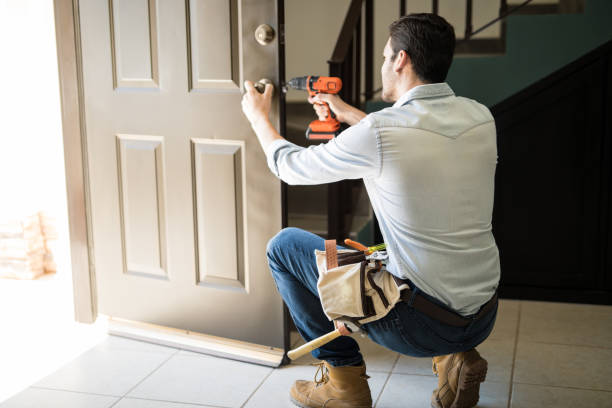
Proper installation of fire-rated doors is as critical as the door’s construction. Even the highest-rated door can fail during a fire if it is installed incorrectly. Fire doors must be fitted precisely within their frames, with minimal clearances to ensure the seals function as intended. Every component, from the frame anchors to the latching hardware, must conform to the manufacturer’s specifications and the standards outlined in NFPA 80.
One common mistake during installation is field modification without manufacturer approval. Cutting a vision panel, adding hardware, or trimming the door for fit can compromise its fire rating. Only modifications authorized by the listing agency or manufacturer are permissible, and any alteration must be documented. Another frequent issue is the failure to install the appropriate fire-rated frame or hardware, which can render the entire assembly noncompliant.
Building managers should ensure that installation is performed by certified professionals familiar with fire-rated door assemblies. Many states and local jurisdictions require certified installers for projects involving fire-rated openings. Post-installation inspections should verify labeling, alignment, and operation. A small gap or missing seal may appear insignificant but
can lead to catastrophic failure under fire conditions.
Inspection, Testing, and Maintenance
Once installed, fire-rated doors require continuous oversight to ensure they remain fully functional. NFPA 80 mandates annual inspections to verify that each door closes properly, latches securely, and bears intact certification labels. Building managers must also ensure that the doors are free of visible damage, obstructions, or unauthorized alterations. Regular maintenance helps prevent issues from escalating into costly repairs or safety violations.
During inspections, common deficiencies include damaged seals, misaligned frames, missing labels, and hardware malfunctions. Even minor issues can have major implications during an emergency, as a door that fails to latch properly or seal tightly may allow smoke and heat to penetrate. Documentation of inspections and corrective actions is essential for compliance and can provide legal protection in the event of an incident.
Maintenance should also include testing of automatic closing devices and hold-open systems. In facilities equipped with fire alarm integration, these systems must activate reliably during drills or alarms. Routine testing ensures that mechanical and electrical components perform as intended, maintaining the integrity of the fire barrier system over time.
Training, Documentation, and the Manager’s Role
The effectiveness of a fire-rated door program depends on the awareness and diligence of the building management team. Training maintenance staff and security personnel to recognize deficiencies is crucial. Employees should understand how to spot a missing label, an obstructed door, or an improperly latched opening. A well-informed team acts as an early warning
system, identifying potential compliance issues before they escalate.
Documentation serves as both a compliance record and a management tool. Each fire-rated door should have a corresponding record detailing its location, rating, inspection history, and any repairs performed. Digital tracking systems are increasingly used to manage large inventories, providing real-time access to compliance data during audits. For building managers overseeing multiple facilities, these tools simplify oversight and ensure consistent adherence to safety protocols.
Ultimately, the building manager’s role is to integrate fire-rated door management into the broader fire protection strategy. Fire doors are not isolated components but part of a coordinated system that includes alarms, sprinklers, and evacuation routes. By maintaining these systems with precision and foresight, managers protect both property and lives, upholding the integrity of the structures entrusted to their care.