

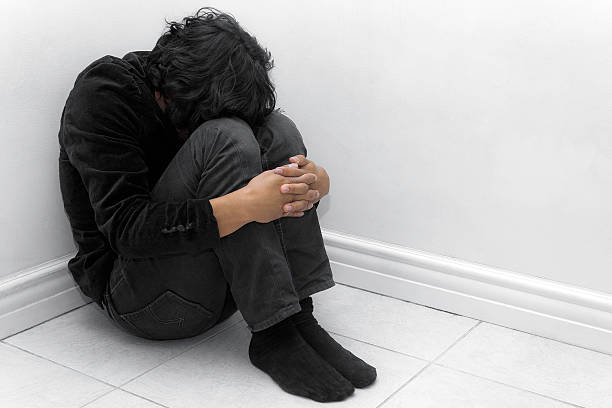
You Don’t Have To Stay Broken: The Real Story Of Rehab And Getting Your Life Back
It’s a strange thing, getting clean. You spend years chasing whatever kept you numb, hoping tomorrow you’ll handle it. Then tomorrow turns into next year, and your reflection looks older than your age. You reach that one day, the day you’re too tired to keep going the same way, and you think: is this it? Do I have to stay broken forever? No, you don’t. And that’s where rehab stops being a scary word and starts being a bridge, if you let it.
Getting Past The Stigma
You’ve heard the whispers. Rehab means you’ve failed, right? Means you couldn’t tough it out alone, couldn’t just quit cold turkey like your uncle claims he did, couldn’t hold it together for your kids or your job or your pride. Let’s just be clear: that’s nonsense. Taking yourself to rehab is a flex, not a failure. It means you’re finally done letting addiction run your days. It means you’ve stopped lying to yourself.
The stigma around rehab is stuck in an old mindset that’s too small for the real, messy world we live in now. It doesn’t match the reality of people working, raising families, and paying bills who still find themselves trapped in a cycle they can’t fix alone. Checking yourself into rehab is the opposite of weak. It’s honest. And it’s the first clean decision you might have made in a long time.
The Place Matters More Than You Think
Not all rehabs are created equal, and you’ll feel it the second you walk in. Some places smell like antiseptic and have tired beige walls, and you’ll feel like you’re in a waiting room for misery. Others feel alive, like people are actually rooting for you instead of managing you. Location matters, but not in the way you think. You might be tempted to pick the closest place to home so you can sneak visits with your friends. Or maybe you want the opposite, to disappear to a treatment center across the country where no one knows you.
Here’s the truth: a Boston, Richmond or Houston rehab center – it doesn’t matter – but finding the right fit is paramount. You need a place that gets you, a place that offers real therapy, not just an inspirational quote taped to a wall. You need counselors who don’t look bored, who’ll call you out on your excuses but who also know how to show up for you when you’re shaking with cravings at 3 AM. The environment can change your odds, and you deserve a place that doesn’t just take your money but actually helps you build a new life.
Rehab Isn’t Just Detox And Done
People think rehab is just about getting the drugs out of your system. You sit in a room, sweat it out, and boom, you’re better. Detox is only the beginning, the tiny first slice of a much bigger pie. If you walk out after detox and call yourself cured, you’re setting yourself up to fall hard. The real work starts after your body isn’t screaming for the substance every hour.
You’ll have therapy sessions that feel like getting your skin peeled back, exposing old wounds you forgot were there. You’ll talk about your family, your guilt, the people you’ve hurt, and the person you want to be. You’ll learn how to sit with yourself in silence without reaching for a drink or a pill or a phone to distract you. Rehab gives you a toolkit, not a magic wand. If you want to stay clean, you’ll need to use that toolkit every day, even when it feels tedious. Especially when it feels tedious.
The Messy Middle Of Recovery
Here’s where people get it twisted. They think recovery is a straight line upward, like you’ll leave rehab and suddenly become a responsible, green-juice-drinking, gratitude-journaling new human. It doesn’t work like that. Recovery is a zigzag, a sloppy dance where you take two steps forward, one step back, and sometimes faceplant.
You’ll have days when you feel strong, and you’ll have days when the thought of staying sober feels heavier than a truck on your chest. You’ll lose some friends who can’t handle your change, and you’ll realize you don’t miss them as much as you thought you would. You’ll also surprise yourself. You’ll find new interests, maybe pick up a hobby you dropped years ago when using took over everything. You’ll start noticing little victories, like getting through a stressful morning without reaching for your old crutch, or waking up without regret for once.
Recovery isn’t about perfection. It’s about showing up for your own life, even on the ugly days, and knowing that’s enough.
What Happens After You Leave
The hardest part of recovery isn’t the detox or the meetings or even the therapy. It’s walking back into your life, into your house, your job, your old grocery store, and trying to stay clean when the world hasn’t changed just because you have. People expect you to slide right back in, like nothing happened, but you’re different now. You’ve done the work, and you’re doing the work every day.
Your triggers will still be there. That street corner, that friend who still uses, that Friday happy hour crowd. You’ll need a plan, a community, a way to stay accountable without feeling like you’re under constant surveillance. You’ll need a sponsor, a therapist, maybe medication, maybe new routines that keep you grounded. You’ll need to learn how to breathe through cravings and say no even when your brain screams for yes. You’ll need to learn how to live again, on your terms.
And when you go back to work after rehab, it might feel weird at first. You might be scared people will know or judge you. Let them. The people who mind don’t matter, and the people who matter will respect you for taking your life back. You’ll build your confidence piece by piece, day by day, until you realize you’re not faking it anymore. You’re really living.
What You Get Back
Rehab and recovery don’t just give you sobriety. They give you time. They give you mornings that don’t start with shame and headaches. They give you your family back, or at least the chance to fix the parts you broke when you were in too deep to see straight. They give you moments of peace you didn’t think were possible, moments of real laughter, moments where you realize you’re actually here, living, not just surviving.
You get your energy back, your sense of humor, your drive, your curiosity. You get to become the person you were supposed to be before addiction took the wheel. You get your future back, and that’s worth the uncomfortable, raw process of tearing yourself away from what’s been destroying you.
Stepping Into Tomorrow
Recovery isn’t an endpoint you graduate from with a gold star. It’s a process that unfolds every day, and it’s worth it. If you’re considering rehab, know this: you’re not signing up for a sentence, you’re signing up for freedom. It’s not easy, but it’s better than staying stuck in the same loop, wishing for change while doing nothing to get it.
You don’t have to stay broken. You don’t have to keep letting your addiction decide what your day will look like. You can get your life back, piece by piece, breath by breath, moment by moment, until you realize you’re no longer trying to survive sobriety. You’re living it. And that’s worth everything.