

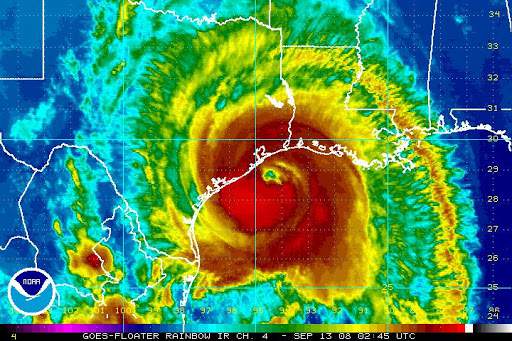
Houston is no stranger to hurricanes and Houstonians have been through this drill before, weathering the recent floods of Harvey and so many others. This year experts are predicting an above-average season for the Atlantic with 13 to 19 named storms before the season ends Nov. 30. Six to 10 of those storms could become hurricanes, including three to six major hurricanes with winds of at least 111 mph, classifying them as Category 3, 4 or 5.
Another hurricane season is not what we wanted or needed right now. It is safe to say that the nation has rarely had to deal with a major natural disaster in the middle of such challenging circumstances.
But it’s here and the proper response is to be prepared.
Restock your emergency kit
Have one gallon of water per person to last at least three days, a three-day supply of nonperishable food, a battery-powered or hand crank radio, a flashlight, a first aid kit, a whistle to signal for help, duct tape, garbage bags, plastic ties and other essential items — all stored in an airtight plastic bag. Safeguard that you have at least one-month supply of your medication and have safeguarded key documents etc. Start early so you don’t find yourself facing big crowds in a last-minute rush.
Re-evaluate your evacuation options
If you usually head for a distant motel or lodge out of the path of the storm, is space more limited because of the coronavirus pandemic? If you stay with family or friends, are there new complications because some members are older or have underlying health conditions that make them more vulnerable to the threat of COVID-19?
FEMA released its Hurricane 2020 Pandemic plan, and city and county leaders are studying it carefully to determine appropriate storm responses during these unprecedented times.
Some new considerations are:
The disaster plan has been revamped to avoid putting large groups of evacuees in shelters where the coronavirus could spread. Alternatively, smaller locations are being studied where maintaining social distance would be facilitated rather than going to a traditional hurricane shelter such as a convention center.
The plan suggests bringing hand sanitizers, cleaning materials, and masks or face coverings if you need to go to a shelter.
FEMA’s plan also calls for supporting health screenings of staff and evacuees at facilities, and having COVID-19 isolation and medical care shelters. The plan also suggests triaging vulnerable populations into hotels, dorms or other places where they don’t have to mix with a lot of people.
The natural disaster-response command centers would most likely be virtual.
FEMA officials say they might assess damage virtually, looking at video, photos, and talking with emergency management teams; fewer workers will physically go to communities.
Texas officials have been preparing for the worst-case scenario for weeks. That makes it all the more important that we take on the personal responsibility of being prepared while looking out to make sure our friends, family and neighbors are able to do the same.