

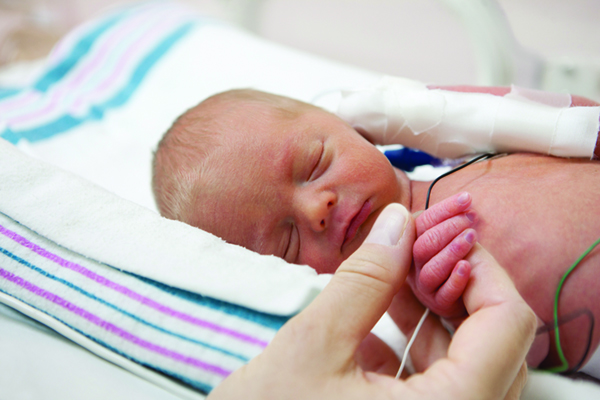
Neonatal intensive care unit options vary widely from one hospital to the next. Be sure you know the questions to ask before deciding whether one is a good choice for your baby.
Dr. Mohan Pammi, neonatologist at Texas Children’s Hospital
When babies have a condition diagnosed in utero, if they are born early, or experience complications during or immediately after delivery, they may need the specialized care offered in a neonatal intensive care unit (NICU).
For peace of mind, it’s important to explore your local NICU options and create a B.U.M.P., or baby urgent medical plan. The quality of care that babies and their families receive varies from hospital-to-hospital. Here are some questions that could help you decide about neonatal care in your area.
Volume and Outcomes
How many babies are treated at the hospital annually? What are the hospital’s results on baby outcomes? For example, our team treats more than 2,000 babies a year, making us one of the nation’s largest and most experienced NICUs. Research shows that babies treated at higher volume newborn centers have better outcomes.
Round-the-Clock Care
Is there a neonatologist, nurse practitioner, neonatal nurse and respiratory therapist on-site 24/7? Are they dedicated only to the NICU? The top-level NICUs have dedicated, on-site neonatologists, pediatric surgeons and anesthesiologists available around-the-clock who are experienced in looking after critically ill and premature infants.
Environmental Controls
Are efforts made to minimize the effects of sound and light on babies in the NICU? Exemplary hospitals ensure minimal activity at bedside, soft lights and low noise levels, which reduce stimulation and allow babies to rest.
Nutritional Care
Does the unit encourage and support breastfeeding and offer human donor milk to preterm infants? Are neonatal nutritional specialists on staff?
Respiratory Care
Is the highest level of respiratory support available? Premature and ill infants may require advanced respiratory support.
Parental Support
Are parents and families encouraged to be at the bedside 24/7? What support services are available to parents and caregivers? Are overnight facilities for parents who want to stay on-site available? Are parents encouraged to touch and hold their babies?
Team Approach
Is there a multidisciplinary approach to infant care? In addition to neonatologists and specialized nursing care, premature and sick newborns may need physical therapists, respiratory specialists, developmental specialists and dietitians. Input from this wide variety of specialists helps your baby receive care targeted to his individual needs.
Transition Home
How will the NICU help you and your baby get ready to go home? Are there rooming-in facilities to help ease the transition from hospital to home? Will your family’s pediatrician be involved in discharge planning? Are parents given the skills needed to provide care once home?
Ongoing Research
What research is currently underway at the hospital? What research conducted in the hospital has resulted in improved care for newborns? Academic medical centers make advances in patient care, train the next generation of physicians and scientists, and make medical breakthroughs that bring more options and more hope to patients and their families.
Evidence-Based Care
Is your baby’s care in the hospital based on the most up-to-date information available? Are there guidelines in place to minimize tests and promote the best possible practices? Does the hospital train its staff to deliver evidence-based care?