

By Dr. Laith Mahmood
Summer break is here, which means warmer weather and vacations for many. But for others, it’s not all fun and games. Summer break is also the busiest time of year for wisdom teeth extractions, and if complications arise, the procedure could be problematic long past summer’s end.
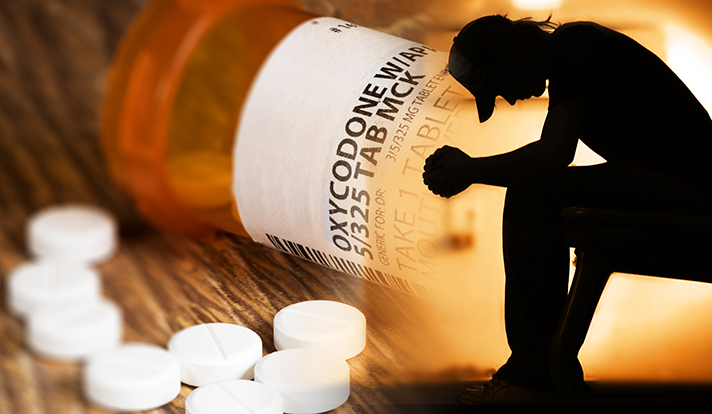
For many young adults, wisdom tooth removal is their first exposure to opioids. A recent study from the Journal of the American Medical Association found that opioids are most commonly prescribed for surgical tooth extractions for patients between the ages of 14 and 24.
And a new national survey of parents and patients conducted by Nielsen found 70 percent of patients who had their wisdom teeth removed were prescribed an opioid for their pain management. According to the survey data, nearly 90 percent of patients who took opioids experienced adverse side effects—ranging from nausea and vomiting to confusion or feeling “spaced out”—that impaired their daily activities. Respondents indicated being unable to drive, go to school or work, exercise or participate in sports for several days.
Even though opioids are still the gold standard within the surgical setting, there are non-opioid options available that can help minimize or, in some cases, completely eliminate the need for opioids after surgery. The Nielsen survey also revealed patients increasingly prefer non-opioids as more than seven in 10 indicated they would opt for a non-opioid medication to treat postsurgical pain from wisdom tooth surgery if given the choice, even if the cost were higher.
Despite these options, opioid use is rampant in the United States. The epidemic hits especially close as Texas is home to four of the 25 U.S. cities with the highest rates of opioid abuse. Because these medications have a high rate of misuse and abuse, Texas was granted more than $27 million from the Substance Abuse and Mental Health Services Administration to help fight opioid addiction, and provide training and resources for prevention.
This issue is extremely relevant and right in our backyard. As an oral surgeon practicing out of Houston, I have seen the effects of the opioid epidemic on our community. You can’t open a newspaper without reading a story about an untimely death due to overdose, or a new effort being initiated to help educate and save lives. The opioid issue is ever-present.
To alleviate this societal burden and provide patients with other alternatives, I have been offering adult patients a non-opioid option in my practice called Exparel. It is administered through an injection during surgery, slowly releasing a numbing medication over time to control pain during the crucial recovery period, therefore reducing the need for prescription opioids after surgery.
Prior to a procedure, usually in the consultation, I explain to my patients and their caregivers that there’s a new approach that will manage their pain for the first few days after the surgery and will keep them feeling comfortable, without the side effects of opioids for multiple days. Patients and parents are happy to hear that opioids may not be necessary. My ultimate goal is to provide as much care and expertise in the postsurgical recovery period as I do during the actual surgical procedure.
Non-opioid options are becoming more popular as the federal government, state legislatures, media and the health care industry struggle to find solutions to the opioid epidemic. Regardless, we have a long way to go.
The fight against prescription drug abuse must be waged on many fronts. But for many patients, it starts in their doctor’s office. It is imperative that doctors actively educate their patients on pain management options available to them, including alternatives to opioids.
With summer just around the corner, oral surgeons will see another spike in wisdom tooth extraction patients. The ability to reduce these patients’ exposure to opioids not only ensures their ability to enjoy their summer, but also helps provide them with a recovery experience that is as safe and comfortable as possible.
—Dr. Laith Mahmood is an oral surgeon at Parkway Oral Surgery and Dental Implant Center in Houston