

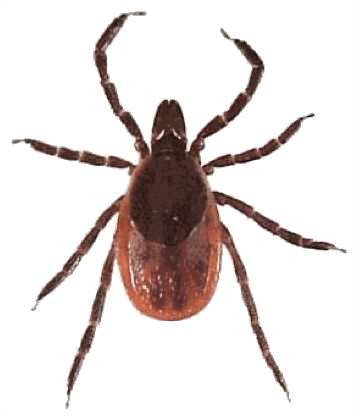
Health experts predict this will be the worst season ever for tick borne diseases. Houston families are rushing to local labs for blood tests that detect infection before symptoms surface. Lyme Disease and the lesser known but deadly Powassan Virus are on the rise, and families want to know for sure if they’re infected.
Why the Rush for Early Testing?
When a tick latches onto your skin it takes 24-48 hours to transmit Lyme Disease to you. Powassan Virus, carried by the same ticks that carry Lyme Disease, only takes 15 minutes to be transmitted.
Early testing is especially important for children because they’re small and more susceptible to extreme effects of an infected tick bite. One family recently posted this frightening video on Facebook that showed a three-year-old girl’s legs temporarily paralyzed by a tick bite. Doctors removed a tick from her scalp and her symptoms disappeared.
Why the Big Scare this Season?
Lyme Disease
The CDC expects Lyme Disease to hit an all-time high over the next few months because ticks are living longer with mild temperatures. Black legged ticks (otherwise known as deer ticks) latch onto white footed mice which have exploded in the Northeast and are major carriers of Lyme. Ticks transmit the disease from the mice to people when they latch on to human skin. Ticks do not get Lyme from deer but they latch onto deer to feed on their blood to survive.
- Due to travel, the disease is more prevalent nationwide
- CDC predicts 300,000 new cases every year, 3x higher rate than two decades ago
- Symptoms include fever, chills, sweats, fatigue, muscle aches. A bull’s eye rash is one characteristic but many people develop a different kind of rash or none
Powassan Virus
Powassan virus is transmitted by the same black legged (or deer ticks) that carry Lyme Disease. Experts warn we could see more cases of the deadly disease this year because warmer winters have led to an increased tick population.
- Anyone bitten by an infected tick can get Powassan Virus
- No cure. 15% who get virus will die. ½ will have lasting neurological damage.
- Disease most prevalent in the northeast but experts fear it will spread
- 75 cases in the last decade, but experts fear many unreported cases
- Big difference from Lyme – It takes Lyme Disease many hours (at least 24) to be transmitted from tick to person. Powassan Virus is transmitted from the tick to person in just 15 minutes.
How to Prevent Tick Bites
- Cover up. When in wooded or grassy areas, wear shoes, long pants tucked into your socks, a long-sleeved shirt, a hat and gloves. Try to stick to trails and avoid walking through low bushes and long grass. Keep your dog on a leash.
- Use insect repellents. Apply insect repellent with a 20 percent or higher concentration of DEET to your skin. Parents should apply repellent to their children, avoiding their hands, eyes and mouth. Apply products with permethrin to clothing or buy pretreated clothing.
- Try to Tick-proof your yard. Clear brush and leaves where ticks live. Keep woodpiles in sunny areas.
- Check yourself, your children and your pets for ticks. Be especially vigilant after spending time in wooded or grassy areas. Deer ticks are often no bigger than the head of a pin, so you may not discover them unless you search carefully.
- It’s helpful to shower as soon as you come indoors. Ticks often remain on your skin for hours before attaching themselves. Showering and using a washcloth might remove unattached ticks.
- Don’t assume you’re immune. You can get Lyme disease more than once.
- Remove a tick as soon as possible. Using tweezers
gently grasp the tick near its head or mouth. Don’t squeeze or crush the tick, but pull carefully and steadily. Once you’ve removed the entire tick, dispose of it and apply antiseptic to the bite area.
Any Lab Test Now, a local blood testing clinic, tests blood for infection and can test the actual tick if you bring it in. The entire process takes less than 15 minutes.