

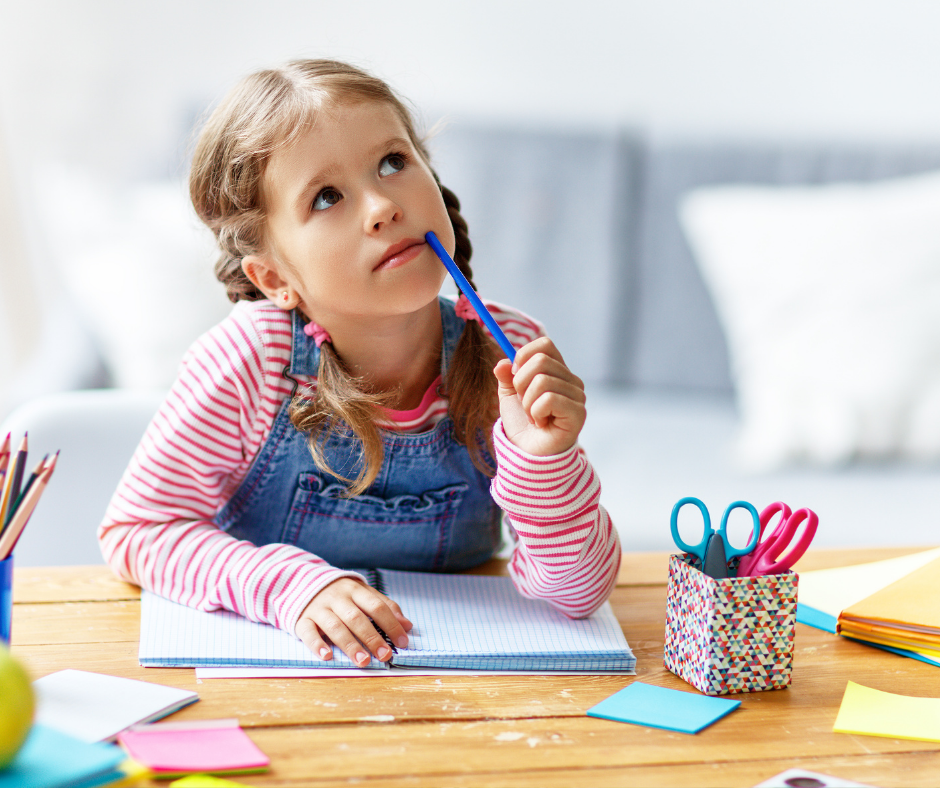
5 Steps For Your Child’s Emotional Wellbeing. It seems as though parenting today has us more fearful than any generation before us when it comes to the overwhelming task. As a therapist who works with today’s youth, I have sat down with many of my clients to pinpoint just what is to survive today’s world as a kid (and as a mom!) and what we can do as parents to ensure our children’s emotional strength and wellbeing.
- Help Build Resilience
There’s no denying that our kids are growing up in a time of convenience. From when they were one-years-old fussing at the dinner table, we can be very quick to take care of that fuss with a simple “magic” trick called the smartphone (or device.) However, in doing that, we’ve actually deprived our kids from building strength and resilience. We’ve kept them from struggling and have paved the road as smooth as possible for our kids, so things are easy. From homework struggles, friend struggles, to simply being bored, it’s now time we become supporters rather than fixers. We need to allow our kids to sit in the discomfort of life stressors, starting at a young age, and resist making it convenient and easy for them. In doing so, they will be able to struggle through life hardships with confidence, motivation and ambition and get them successfully outside of their comfort zone.
- Help Build Meaningful Connection
In a world full of technology with intentions to connect, we have actually seen a decrease in the sense of community, support system and meaningful friendships. I hate to place blame again, however, that device that has created too much convenience for our kids, has also created a world of disconnect. As parents, it’s now time to recognize that technology isn’t actually providing real connection and start the act of true connection at home. Now is the time to teach social skills and show them what connection outside of the screen feels and looks like. Play card games together. Have conversations with your child or teen that doesn’t turn into a lecture (even if you really want to give them your two cents!) Teach your child how to do a life skill, while you’re doing it. Enter your child’s comfort zone and engage in whatever activity they’re into, even if you don’t feel like playing basketball, coloring unicorns or practicing different makeup techniques. Encourage your child to practice these social skills outside of the house—there are safe ways to do so even during these dark ages of COVID-19.
- Be aware of their social media use
Again, with the devices! Can you tell I’m not a big fan? But I’m willing to bet you’re reading this article through your smartphone yourself. *I can share my thoughts on that in a bit but for now-social media.
Social media is a main contributor to today’s epidemic of screen addiction. TikTok, Instagram, Snapchat…. they’re like little drugs that our kids are becoming obsessed with, losing sleep watching, being exposed to inappropriate information, promoting isolation from in-person connection, lacking balance of productivity, enhancing social dramatics, and ultimately playing this horrible game with their mental health. Anxiety and depression are on the rise like never before. Suicidal and self-harm thoughts are on the rise for kids as young as 6-years-old. The average age for a child to see pornography for the first time is eight.
By focusing on some main goals such as, avoiding addiction, promoting in-person connection and encouraging productivity and hobbies, our kids can achieve balance and restful sleep. Start with these goals to create the boundaries and regulations necessary. It may will cause a stir at first, but just like you fought your fussy 2-year-old to get strapped into their car seat, you can fight your fussy child or teen to provide protection and security for their emotional wellbeing.
- Open A Line Of Communication
Through one of the toughest uncertainties of today’s world (COVID-19) where isolation has become more of a norm, our job as the parent is to check-in with our kids, no matter the age, stop assuming they are fine, and open up our hearts and ears—and put your phone down.
Give your child or teen a chance to express themselves from a place of respect and genuine interest. Although sometimes our kids come to us with issues or thoughts that seem a bit, ahem, silly, in order to help nurture our relationship with our child is to join them in whatever stage or season they are in.
Listen and validate emotions being expressed. Respond to their thoughts rather than emotionally react to whatever they bring to the table—reactions are natural and usually filled with fear, be aware of this and resist the urge. Responding is harder, yes, but much more effective when learning from our kids and communicating with them.
One of the best ways to open this line of communication and keep it open is to step into your child’s comfort zone, join them in their interest. Treat it similar to your friendships. Avoid the lecturing. Encourage the safety. Do something together that creates an environment of calmness and enjoyment. And finally, let your child know that you are always open to answer questions and discuss any topic, so they always feel they have your support and guidance through trivial times.
- Take the pressure off
Imagine being graded for your performance at work or as a parent, all the time. Now imagine someone breathing down your neck everyday about all the things. Maybe you don’t even have to imagine. Maybe you do have a high demand job or someone breathing down your neck. Do you like it? Is it healthy for your mental health? …crickets….
Perfect grades, school involvement, duties prioritized over basic needs such as sleep, social media expectations…it’s all become too much. If you can recognize that this fast-paced, perfectionistic lifestyle isn’t or wouldn’t be healthy for you as an adult, and you have more experience with self-regulation, how can we expect our kids to know how to take care of themselves with this insane amount of pressure? At what point do we recognize that it is causing harm to our child’s mental health? At what point do we recognize that, starting at a young age, our cultural expectations are weighing down our kids’ happiness and emotional wellbeing.
Take the pressure off. Help your child prioritize basic needs like sleep and food. Help your child balance between screen-time and productivity outside of that. Encourage your child to build connections and practice self-care techniques and coping skills.
While I know all of this is a lot to take in, it really is about going back to basics and simplifying the lifestyle with your family. Think back to when you were young: you didn’t have access to see what your friends were doing 24/7, you didn’t have anything that was an immediate fix when you were bored. You had to struggle through, build your community of friends and learn how to communicate to get your needs met. It is simply about creating more of that lifestyle in today’s fast-paced, go-go-go world.
*My thoughts on being on devices: Because it isn’t going away, it’s important for us to learn how to be on devices and not be negatively affected and then pass along these skills to our kids once they are old enough. The key to this is: Productivity. If you are on your device for productivity (like reading an interesting article written by a compelling therapist and author) then you are going to put your device down feeling fine. However, if you are caught mindlessly scrolling TikTok or Instagram, without true meaning or purpose behind the scroll, you will feel the effects of that dopamine loss once you put your phone down. Creating balance and boundaries are the key. Prioritizing family connection.
Related Articles
5 Wellness Tips for the Whole Family